
Before testing this, I never realized how much a mediocre power cord could limit your backup plans. When I used cheaper cords, I faced loose connections and unreliable power delivery, especially under tough weather conditions. But the Southwire 65172840 20-Foot 30Amp Generator Cord changed everything—its heavy-duty, weather-resistant jacket and molded connectors made my setup rock solid, no matter rain or mud. I quickly saw how essential durability and a secure connection are when powering a fridge from a generator during outages or camping trips.
Having put this cord through its paces—extending power without fuss, avoiding slippage, and withstanding the elements—I’m confident it’s the best choice. It’s designed with a twist-locking plug, which means zero accidental disconnects, plus its 10-gauge wire handles the power draw of a fridge reliably. After comparing it to thinner or less rugged options, I can honestly say this cord offers the perfect mix of strength and performance, making it a smart investment for safe, consistent refrigerator operation from your generator.
Top Recommendation: Southwire 65172840 20-Foot 30Amp Generator Cord; 10-Gauge
Why We Recommend It: This cord’s 10-gauge wiring ensures it safely handles the high current draw of a refrigerator, reducing the risk of overheating. Its weather-resistant jacket and molded connectors withstand harsh outdoor conditions, unlike thinner or cheaper cords. The twist-lock connector adds security, preventing accidental disconnection—crucial for fridge stability. Compared to alternatives, its robust build and reliable power delivery make it a standout for safe, consistent use with generators.
Southwire 65172840 20-Foot 30Amp Generator Cord; 10-Gauge
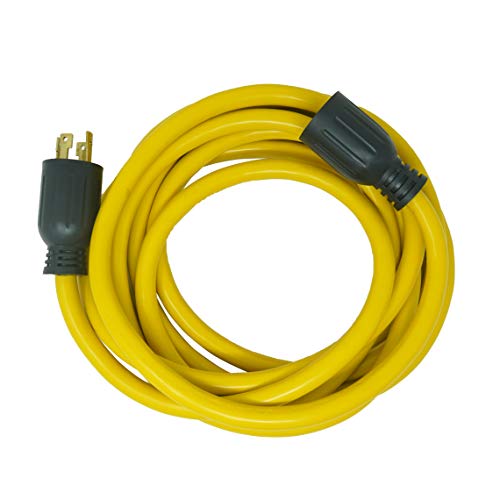
- ✓ Secure twist-lock connection
- ✓ Heavy-duty weather-resistant jacket
- ✓ Long 20-foot reach
- ✕ Slightly heavier than standard cords
- ✕ Higher price point
| Cable Length | 20 feet |
| Wire Gauge | 10 AWG |
| Current Rating | 30 Amps |
| Plug Type | NEMA L14-30 twist-lock |
| Construction Features | Heavy-duty jacket, weather-resistant, chemical and abrasion resistant |
| Intended Use | Generator extension cord for RVs, campers, motorhomes, and campgrounds |
Ever wrestled with a flimsy extension cord that barely holds up in the rain, especially when you’re trying to keep your refrigerator running during a camping trip? I’ve been there, fumbling with cords that seem to slip out just when you need power the most.
This Southwire 20-Foot 30Amp generator cord changed that game for me. The twist-locking plug and receptacle give me peace of mind, locking securely so I don’t have to worry about accidental disconnections.
The heavy-duty jacket feels tough and resilient, ready to face rain, mud, or even a bit of chemical exposure.
I appreciated the length, too — 20 feet gives plenty of slack to move around or position my RV without stretching the cord to its limit. The 10-gauge wire is thick enough to handle the power load without any worries about overheating, which is a relief when running high-draw appliances like a fridge.
The weather-resistant design means I can leave it outside without constantly checking for damage. The molded connectors fit snugly into the plug and outlet, and the locking feature really prevents accidental disconnection, especially during windy nights or when moving around in the dark.
Overall, this cord feels built to last, and it handles the tough outdoor conditions like a champ. It’s a solid choice for anyone who needs a reliable, durable extension for generator-to-appliance use, especially for sensitive gear like refrigerators that need consistent power.
What Are the Essential Features of Power Cords for Running Refrigerators from Generators?
The essential features of power cords for running refrigerators from generators include safety ratings, wire gauge, length, connectors, and weather resistance.
- Safety Ratings
- Wire Gauge
- Length
- Connectors
- Weather Resistance
Safety ratings are crucial for ensuring that the power cord can handle the electrical load safely. Wire gauge determines the amount of electrical current the cord can conduct. Length impacts the placement of the refrigerator and the generator. Connectors must match the generator output and refrigerator input requirements. Weather resistance ensures durability in outdoor settings.
-
Safety Ratings: Safety ratings refer to the standards that indicate how well a power cord can operate under specific conditions. These ratings, such as UL (Underwriters Laboratories) or ETL (Intertek), signify compliance with safety regulations. A power cord with proper safety ratings signifies it is tested for heat resistance, short-circuit protection, and overall electrical safety to prevent fires or other hazards.
-
Wire Gauge: Wire gauge measures the thickness of the wiring within the power cord. A lower gauge number indicates a thicker wire, which can carry more current. For refrigerators, a 12-gauge wire is often recommended, as it can handle higher wattages. The American Wire Gauge (AWG) system is commonly used to specify wire sizes. According to the National Electrical Code, choosing the correct wire gauge is essential for preventing overheating.
-
Length: Length indicates how far the refrigerator is from the generator. Longer cords can lead to voltage drop, where the voltage decreases due to the resistance of the wire. It is important to choose a length that balances convenience with efficiency. Generally, cords should be kept as short as possible while still allowing for functional placement.
-
Connectors: Connectors are the ends of the power cord that plug into the generator and refrigerator. They must match the specifications of both devices. Using mismatched connectors can lead to compatibility issues, posing safety hazards. Standard NEMA connectors are often used, but specific refrigerators may require different types.
-
Weather Resistance: Weather resistance refers to the cord’s ability to withstand outdoor conditions. Cords designed for outdoor use feature durable insulation materials that protect against moisture, temperature extremes, and UV rays. This characteristic is important for preventing deterioration and electrical failures when using the generator outdoors.
By focusing on these essential features, users can ensure reliable and safe operation of refrigerators powered by generators.
How Does Wire Gauge Influence the Performance of Power Cords?
Wire gauge significantly influences the performance of power cords. Wire gauge refers to the diameter of the wire and determines its current-carrying capacity. A lower gauge number indicates a thicker wire, while a higher gauge number represents a thinner wire.
Thicker wires can carry more current without overheating. Therefore, using a lower gauge wire is crucial for high-power appliances, like refrigerators, that require substantial electricity. Thicker wires have less electrical resistance. Lower resistance leads to less voltage drop over long distances, ensuring efficient power delivery.
Conversely, thin wires might overheat and become dangerous when carrying high current. They may not efficiently power devices that demand considerable energy. Consequently, selecting the correct wire gauge ensures safety and optimal performance.
In summary, wire gauge directly affects how well a power cord can transmit electricity to a device. Thicker wires are essential for high-current applications to prevent heat buildup and voltage loss.
What Length of Power Cord Should You Use for Optimal Refrigerator Operation?
The optimal length of power cord for refrigerator operation should generally be between 6 to 10 feet.
- Recommended length for standard refrigerator cords
- Longer cords for distance from power source
- Short cords for reduced voltage drop
- Considerations for cord gauge and insulation
- Manufacturer specifications and warranty implications
- Opinions on using extension cords
Recommended length for standard refrigerator cords:
The recommended length for standard refrigerator cords is typically between 6 to 10 feet. This length allows for sufficient reach while minimizing voltage drop. A 10-foot power cord is often sufficient for most kitchen layouts while ensuring a safe connection to the power outlet.
Longer cords for distance from power source:
Using longer cords is often necessary when the refrigerator is placed farther from the power source. However, it is essential to ensure that the cord is rated for the necessary amperage to avoid overheating. For instance, if a cord exceeds 25 feet, there may be risks of voltage drop and efficiency loss.
Short cords for reduced voltage drop:
Short power cords help in reducing voltage drop, which can affect refrigerator efficiency and lifespan. A voltage drop occurs when the electrical voltage decreases as it travels down the length of the cord. Maintaining a shorter distance helps maintain optimal voltage and performance.
Considerations for cord gauge and insulation:
Choosing the appropriate cord gauge (thickness) and insulation type is critical for safety. A thicker cord (lower gauge number) carries current more efficiently and reduces heat generation. Additionally, high-quality insulation protects against wear and minimizes hazard risks.
Manufacturer specifications and warranty implications:
Manufacturers often provide specific recommendations regarding cord length and gauge. Using a cord that does not adhere to these guidelines can void the warranty. Consumers should always check the refrigerator’s user manual for compliance.
Opinions on using extension cords:
Some people advise against using extension cords for refrigerators altogether. They argue that it poses risks of fire and electrical failure. Others believe that using a heavy-duty extension cord is acceptable if it meets the necessary rating criteria. Users should weigh the potential risks versus convenience when making their choice.
Which Power Cord Brands Are Most Reliable for Use with Generators?
The most reliable power cord brands for use with generators include the following:
- Generac
- Southwire
- Coleman
- Tanglewood
- Camco
- PowerSmart
- Voltower
These brands are recognized for their quality, safety features, and compatibility with various generator models.
Understanding the specifics can further highlight the distinctions among these brands.
-
Generac: Generac is known for manufacturing durable power cords designed for generator use. They offer cords that can handle high amperage and are built to withstand outdoor conditions. Consumer reports often cite their reliability and performance.
-
Southwire: Southwire specializes in high-quality electrical wiring and accessories. Their generator power cords are praised for safety features like weather resistance and reinforced connectors. They often meet or exceed industry standards.
-
Coleman: Coleman produces various outdoor products, including generator cords. Their cords are designed for ease of use and portability, making them a popular choice for camping and outdoor events. Feedback commonly highlights user-friendly design and flexibility.
-
Tanglewood: Tanglewood focuses on producing reliable power cords. Their products often feature durable materials and safety certifications. User reviews frequently mention satisfaction with the value and performance of Tanglewood cords.
-
Camco: Camco is recognized for its RV and generator accessories. Their power cords often feature lightweight constructions and compact designs. Many customers appreciate their ease of storage and affordability.
-
PowerSmart: PowerSmart offers a variety of generator products, including power cords. They emphasize affordability without sacrificing quality. Users often highlight their good performance relative to cost.
-
Voltower: Voltower manufactures cords with a focus on safety and efficiency. Their power cords often include built-in surge protection, enhancing their reliability. Reviews typically mention confidence in their safety features.
This range of brands provides different attributes catering to power needs, portability, and safety, showcasing the diverse perspectives on what makes a power cord reliable for generator use.
What Safety Measures Should You Follow When Using Power Cords with Generators?
When using power cords with generators, it is essential to follow specific safety measures to ensure safe operation and prevent hazards.
Key safety measures include:
1. Use appropriate power cord ratings.
2. Ensure proper grounding of the generator.
3. Avoid overloading the generator.
4. Stay away from wet conditions.
5. Regularly inspect power cords.
6. Keep power cords away from heat sources.
7. Use outdoor-rated extension cords.
8. Avoid daisy-chaining multiple cords.
These measures highlight the importance of caution when connecting generators to electrical devices.
-
Using Appropriate Power Cord Ratings:
Using appropriate power cord ratings is crucial for safety. The power cord must match or exceed the wattage of the devices you plan to connect. For example, a cord rated for 15 amps is necessary for devices that require up to 1800 watts. Using cords with lower ratings can lead to overheating or electrical fires. -
Ensuring Proper Grounding of the Generator:
Ensuring proper grounding of the generator is vital for electrical safety. A grounded generator directs excess electricity into the ground, reducing the risk of electric shock. The National Electric Code (NEC) emphasizes grounding as an essential safety practice. -
Avoiding Overloading the Generator:
Avoiding overloading the generator protects both the generator and connected devices. Overloading can damage the generator’s components and lead to overheating. For instance, if a generator is rated for 5000 watts, connecting devices that total more than this wattage can lead to failure. -
Staying Away from Wet Conditions:
Staying away from wet conditions is a fundamental safety practice. Water increases the risk of electrical shock. If using a generator outdoors, it should be placed in a dry area, and power cords must be kept off the ground and away from puddles or wet grass. -
Regularly Inspecting Power Cords:
Regularly inspecting power cords prevents accidents. Check for frayed wires, damaged insulation, or loose connections. Cords showing signs of wear may cause sparks or short circuits. Replace any damaged cords immediately. -
Keeping Power Cords Away from Heat Sources:
Keeping power cords away from heat sources is essential for preventing fires. Heat can damage the insulation of the cord, leading to exposed wires. For instance, avoid draping cords over hot surfaces or placing them near grills or generators emitting heat. -
Using Outdoor-Rated Extension Cords:
Using outdoor-rated extension cords is important for outdoor safety. These cords are designed to resist moisture and UV rays. Indoor cords can deteriorate quickly when exposed to outdoor elements, increasing the risk of electrical hazards. -
Avoiding Daisy-Chaining Multiple Cords:
Avoiding daisy-chaining multiple cords reduces risks associated with electrical overloads. Plugging multiple cords together may lead to increased voltage running through one cord. This can cause overheating and potential electrical fires. Instead, use a single heavy-duty extension cord rated for the load.
What Are the Wattage Requirements for Running a Refrigerator with a Generator?
The wattage requirements for running a refrigerator with a generator typically range from 800 to 2000 watts, depending on the refrigerator’s size and energy efficiency.
- Starting Wattage
- Running Wattage
- Generator Size
- Energy Efficiency
- Backup Power Needs
Starting Wattage:
Starting wattage refers to the additional power required to start the refrigerator compressor. This value is often two to three times higher than the running wattage. For most refrigerators, the starting wattage can range from 1200 to 3000 watts.
Running Wattage:
Running wattage is the power required to keep the refrigerator functioning after it has started. Most modern refrigerators need about 800 to 1200 watts during normal operation. It is essential to check the specific model’s energy label for precise figures.
Generator Size:
Generator size is crucial for ensuring adequate power supply. A generator must have a surge capacity that exceeds the starting wattage of the refrigerator. For instance, if the refrigerator requires 1200 watts to start, the generator should be rated for at least 2000 watts to accommodate additional appliances or safety margins.
Energy Efficiency:
Energy efficiency of the refrigerator affects wattage requirements. Energy-efficient models, often labeled with ENERGY STAR ratings, use less power to operate. Consumers can save on fuel costs and ensure the generator does not overexert itself by choosing energy-efficient refrigerators.
Backup Power Needs:
Backup power needs involve considering other appliances that may be connected to the generator. Households may require power for lights, medical devices, or other essential items. Evaluating total wattage demand helps in selecting a generator with adequate capacity.
In summary, when determining the wattage requirements for running a refrigerator with a generator, it is essential to factor in starting wattage, running wattage, generator size, energy efficiency, and backup power needs.
How Can You Ensure Proper Connection Between a Generator and Refrigerator Using Power Cords?
To ensure a proper connection between a generator and a refrigerator using power cords, it is essential to select the right power cord, check compatibility, and follow safe connection practices.
-
Choose the correct power cord: Select a power cord rated for the generator’s output and the refrigerator’s needs. For example, a heavy-duty extension cord is suitable because it can handle higher amperage. An appropriate choice is a cord rated at 12-gauge (American Wire Gauge) or lower, which can support up to 20 amps of current.
-
Verify generator output: Before making connections, confirm that the generator provides adequate wattage. Most refrigerators require between 600-800 watts to start, and up to 200-400 watts for continuous running. According to the U.S. Department of Energy (2020), a generator should have a power rating that not only meets but also exceeds the refrigerator’s requirements.
-
Use proper outlets: Ensure the generator has a 120-volt outlet, which is standard for household refrigerators. Check that the output is compatible with the refrigerator’s plug type and voltage requirements before making a connection.
-
Inspect power cord and plugs: Examine the power cord and plugs for damage. Look for frayed wires or melted connectors. Using damaged equipment can cause electrical hazards or function improperly, leading to equipment damage.
-
Connect with care: Plug the power cord into the generator and then connect it to the refrigerator. Make the connection only when the generator is off to avoid electrical shocks. After connecting, start the generator, and then turn on the refrigerator.
-
Monitor for overload: Keep an eye on the generator’s load indicator, if available. The generator should not be overloaded, as this can lead to mechanical failure or power interruptions. An overload can occur if additional appliances are connected while the refrigerator is running.
-
Follow safety protocols: Always operate the generator outdoors in a well-ventilated area. This prevents carbon monoxide buildup, which is harmful. Maintain a safe distance between the generator and the refrigerator to reduce the risk of damage from heat or other hazards.
By adhering to these guidelines, you can establish a safe and efficient power connection between a generator and a refrigerator.
Related Post: